
Reading List
Books that
change
meetings.
Must-read titles and further-reading recommendations, curated by AMA Faculty for every course in the programme.
22Books Recommended
4Course Tracks
2Written by Faculty
Filter by course
Meeting Design
MD1–MD3Making Meeting Programs · Designing purposeful gatherings from intent to experience.
van der Vijver & de Groot
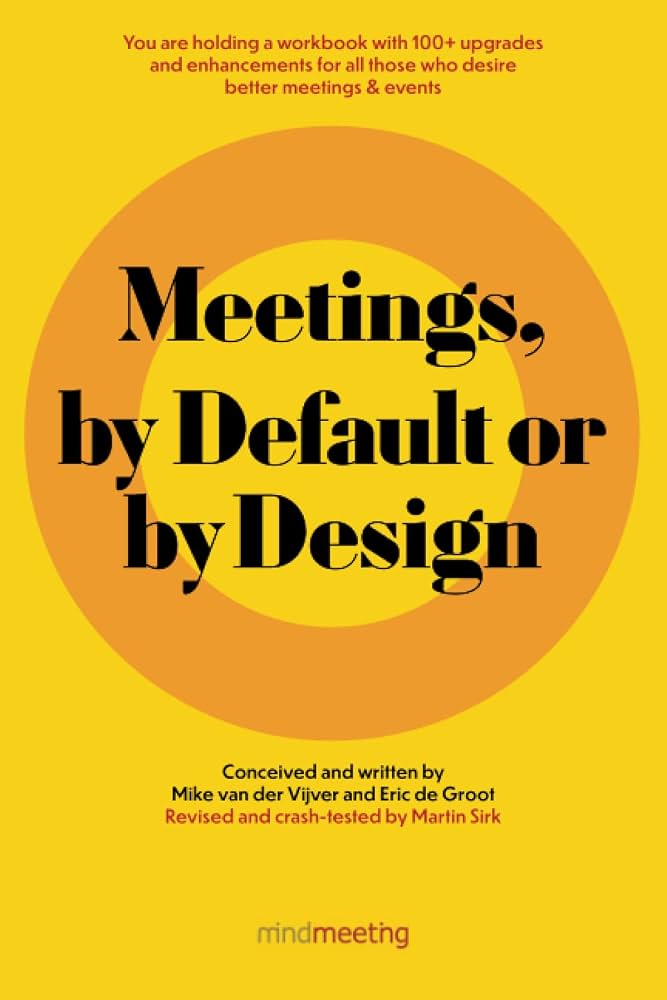
Meetings, by Default or by Design
Faculty Perspective
Written by AMA's own founders, this is where theory becomes practice. After learning the principles in class, this book shows you exactly how to apply them to the meetings you already run. A practical workbook offering 100+ upgrades for 40 common "default" meeting practices, written as the direct companion to put Meeting Design principles into action.
Into the Heart of Meetings
van der Vijver & de Groot
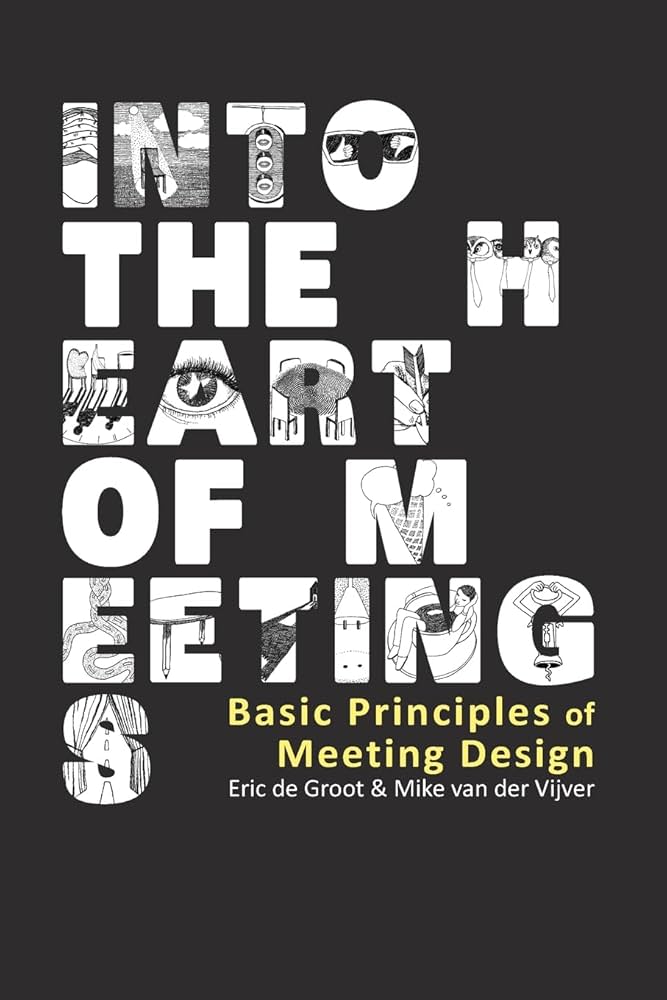
Into the Heart of Meetings
Faculty Perspective
Widely considered the founding text of Meeting Design as a profession. It pairs a theoretical framework with extensive practical tools drawn from the authors' decades of meeting-design practice. Written by the very people teaching the AMA curriculum, this book's framework maps almost one-to-one onto MD1, MD2 and MD3. Reading it before class means walking in already fluent in the vocabulary.
The Art of Gathering
Priya Parker

The Art of Gathering
Faculty Perspective
Challenges the default assumption that a meeting is just a meeting. Parker brings a sociological and almost anthropological lens to why we gather, arguing that purposeful design — not logistics — is what makes a gathering work. Every meeting designer's first question should be "why are we gathering at all?" Parker spends an entire book answering exactly that — making this the foundational text behind every MD-series course.
Steven G. Rogelberg
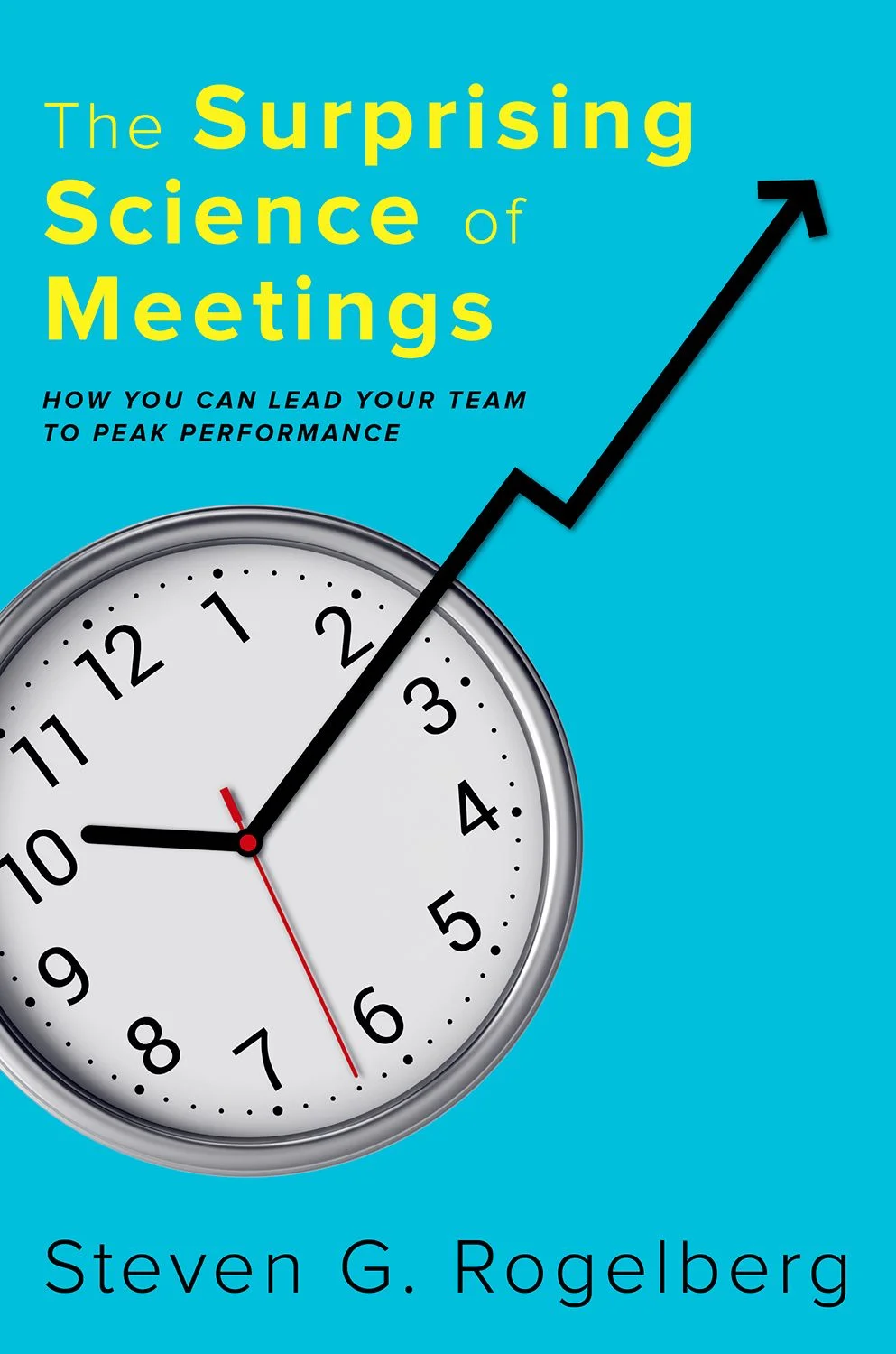
The Surprising Science of Meetings
Faculty Perspective
Drawing on a large body of organizational-psychology research, Rogelberg explains exactly why most meetings fail and backs every recommendation with empirical data rather than opinion. Meeting design can't run on intuition alone. This book hands you the data to make the case — invaluable when pitching organizational change to skeptical stakeholders.
Thinking, Fast and Slow
Daniel Kahneman

Thinking, Fast and Slow
Faculty Perspective
Drawing on decades of groundbreaking psychological research, Kahneman exposes the two systems that drive our judgment — System 1 (fast and intuitive) and System 2 (slow and logical) — proving how cognitive biases secretly sabotage human decision-making. This book hands you the behavioral science to understand why brainstorming fails, how groupthink takes over, and how to design processes that bypass cognitive traps.
Meeting Facilitation
F1–F5Leading Meetings · From opening moves to managing difficult group dynamics.
The Art of Gathering
Priya Parker
The Art of Gathering
Faculty Perspective
Written from the dual perspective of host and facilitator, showing how to create real purpose and connection at any gathering — from boardrooms to community events. A great facilitator is also a great meeting designer. Parker's framework is a constant reminder that every facilitation choice you make is shaping the participant's experience.
Ingrid Bens
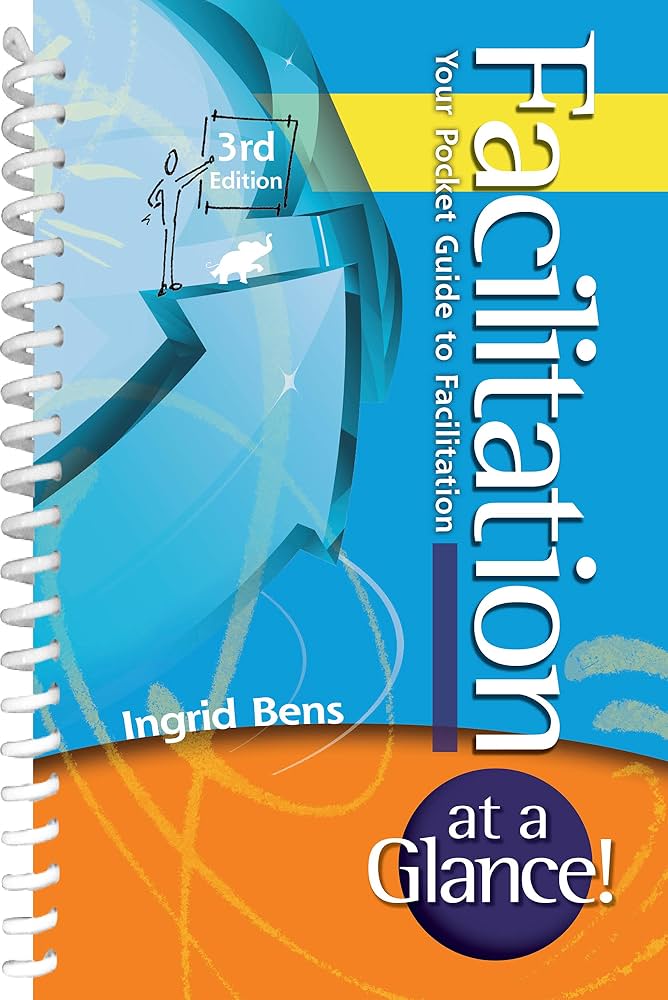
Facilitation at a Glance!
Faculty Perspective
A pocket-sized facilitation handbook that condenses the core skills, tools, and processes a facilitator needs into a fast, in-the-room reference. After F1, you'll want a quick-reference guide you can check mid-session — this is exactly that. Compact, practical, and easy to keep in your bag.
Roger M. Schwarz
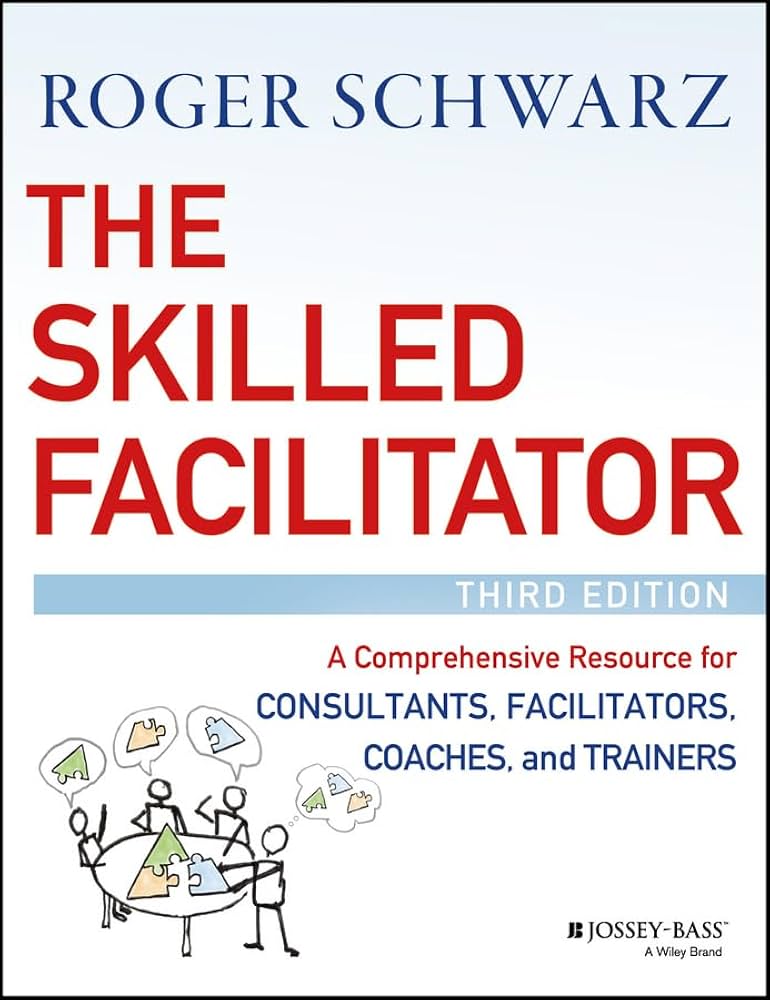
The Skilled Facilitator
Faculty Perspective
A systems-thinking and organizational-behavior take on what facilitation really is, introducing the "mutual learning model" as a framework for shifting a facilitator's underlying mindset. Growing as a facilitator isn't just about technique — it's a fundamental shift in how you show up in the room. Schwarz's framework is the best theoretical grounding for the deeper mindset work explored in F2.
Gamestorming
Gray, Brown & Macanufo

Gamestorming
Faculty Perspective
A collection of over 80 game-like formats for creative meetings, blending visual thinking with group-process design. Translated into 16 languages worldwide. F3 and F4 explore a wide range of meeting formats — this book is the richest source of inspiration, with formats you can apply directly or remix. An essential field manual for any facilitator.
Esther Cameron
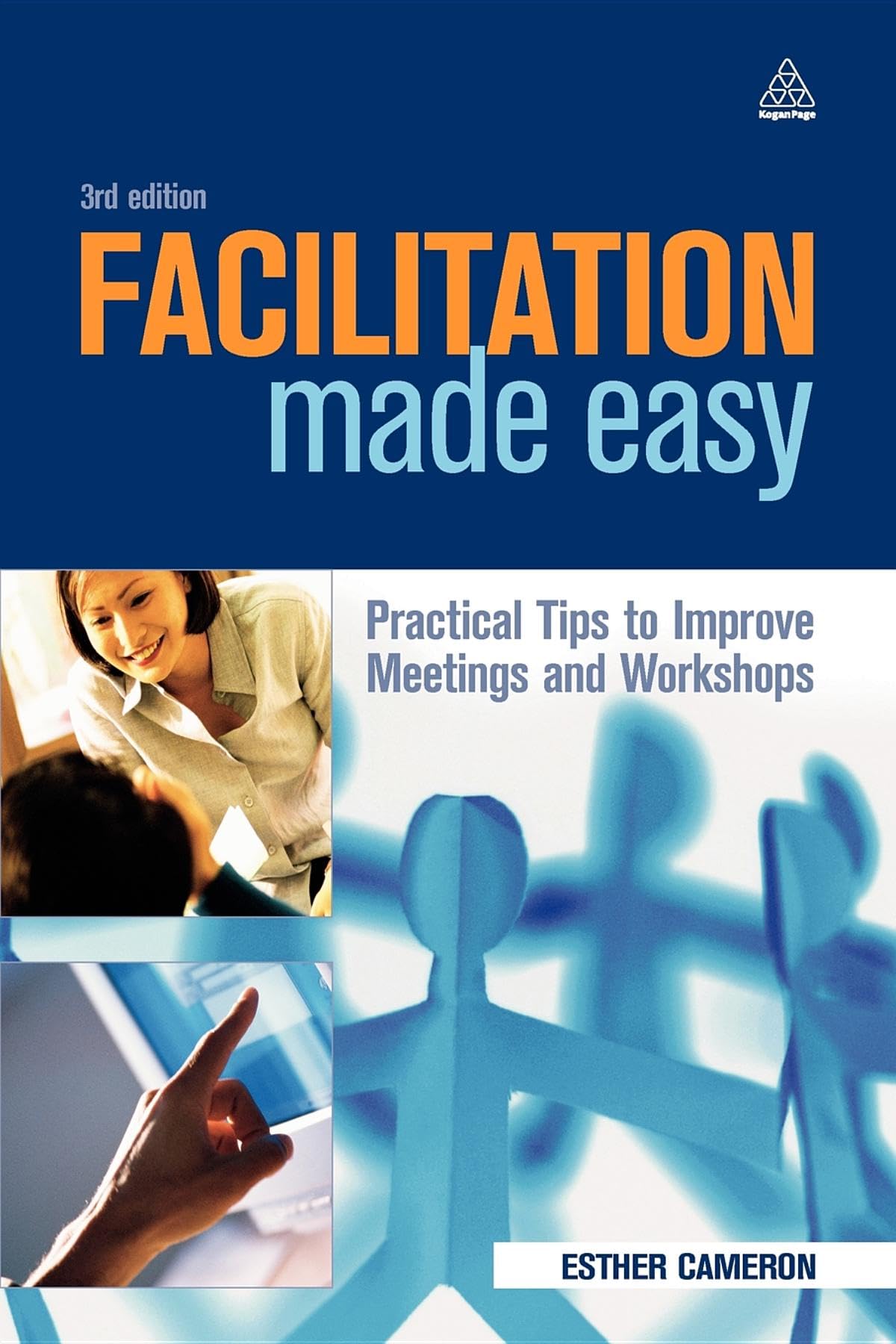
Facilitation Made Easy
Faculty Perspective
A practical, step-by-step guide for navigating group energy and structuring dialogue, focusing on the core mechanics of intervention, workshop flow, and collaborative problem-solving. An excellent roadmap for session planning, mastering facilitator posture, and managing challenging group behaviors.
Edward de Bono
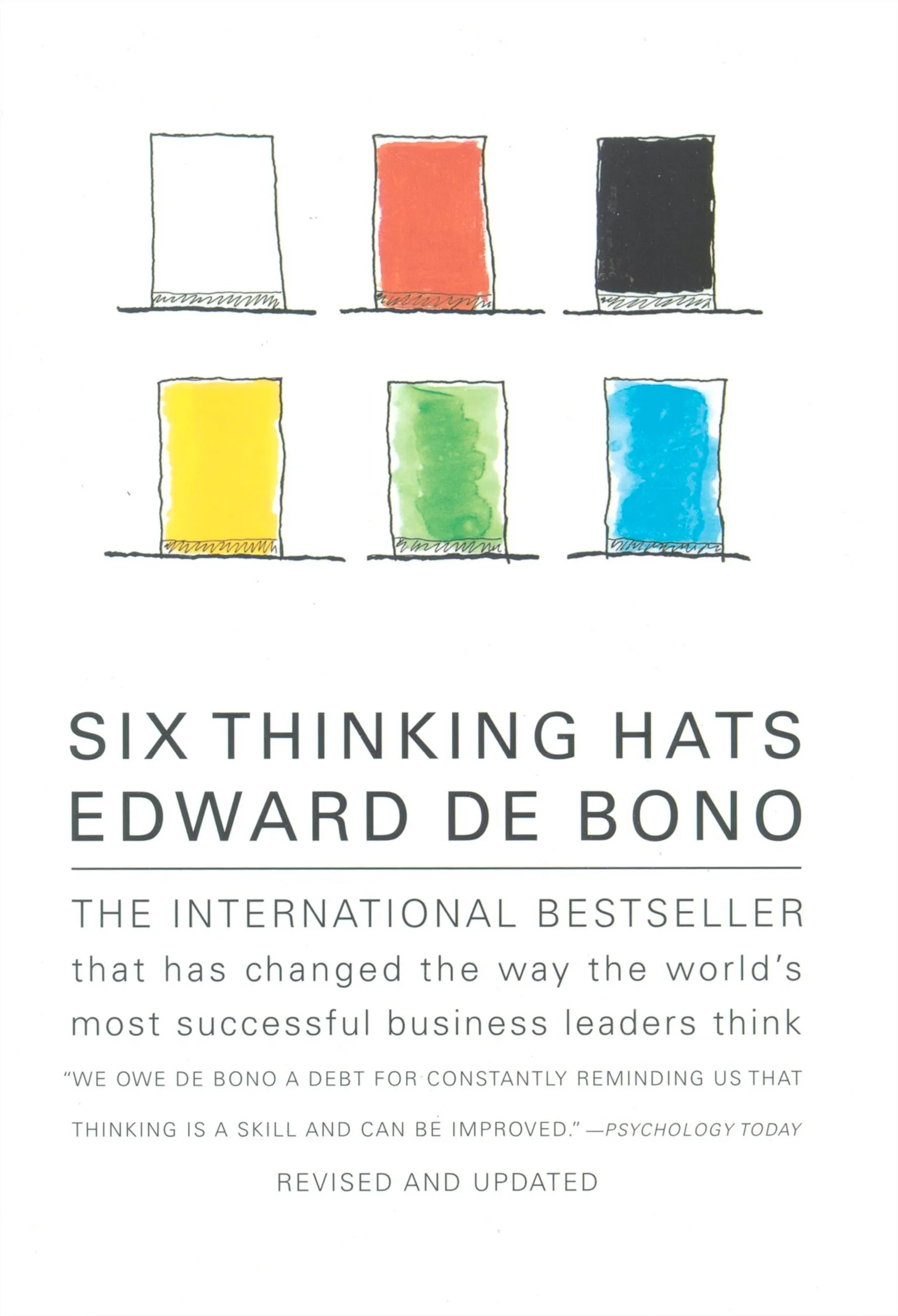
Six Thinking Hats
Faculty Perspective
A revolutionary framework for parallel thinking that untangles group discussion by isolating different modes of thought: White (Facts), Red (Feelings), Black (Risks), Yellow (Benefits), Green (Creativity), and Blue (Process). The ultimate tool for cutting through endless discussions and ego clashes. By getting everyone to think in the same direction at the same time, it makes decision-making incredibly fast and structured.
Further Reading · Facilitation
The Secrets of Facilitation — Michael Wilkinson · Jossey-Bass, 2012 · Breaks down facilitator skill using the SMART framework, with concrete scripts and tools for every stage from opening to consensus-building.
Meetings, by Default or by Design — Mike van der Vijver & Eric de Groot, 2022 · Useful for facilitators who also shape the broader meeting program around their sessions. Available from Orange Gibbon.
Across Cultures
S1Managing Organizational Culture · Designing for international teams and cross-border collaboration.
Erin Meyer
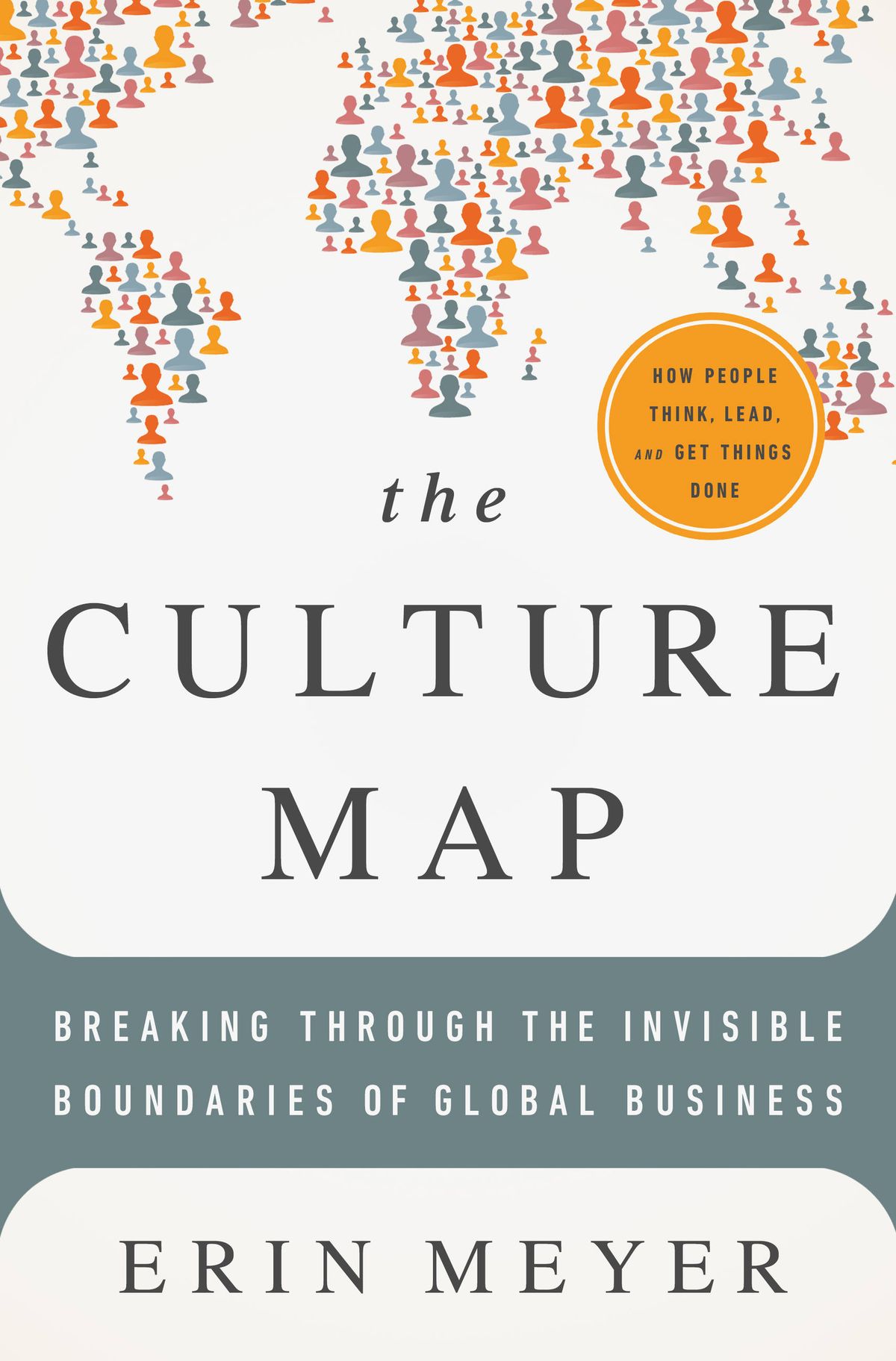
The Culture Map
Faculty Perspective
Systematically compares working styles across cultures along eight dimensions — communicating, evaluating, persuading, leading, deciding, trusting, disagreeing, and scheduling. The best pre-reading for S1. Meyer's dimensional model makes abstract cultural differences visible and actionable, with direct application to designing cross-border meetings.
Geert Hofstede et al.
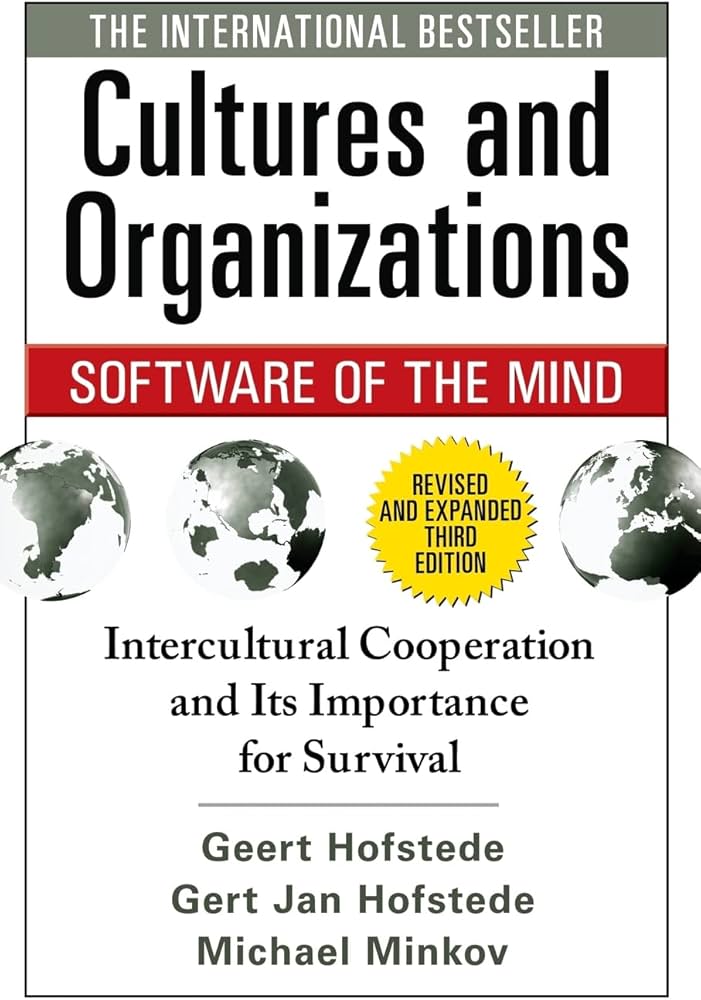
Cultures and Organizations
Faculty Perspective
The foundational text of cross-cultural research, using large-scale empirical data to establish classic dimensions like power distance, individualism, and uncertainty avoidance. To understand cultural difference at its root rather than just its surface, you need to know Hofstede. Reading this first will give S1's content a much deeper layer of meaning.
Daniel Coyle
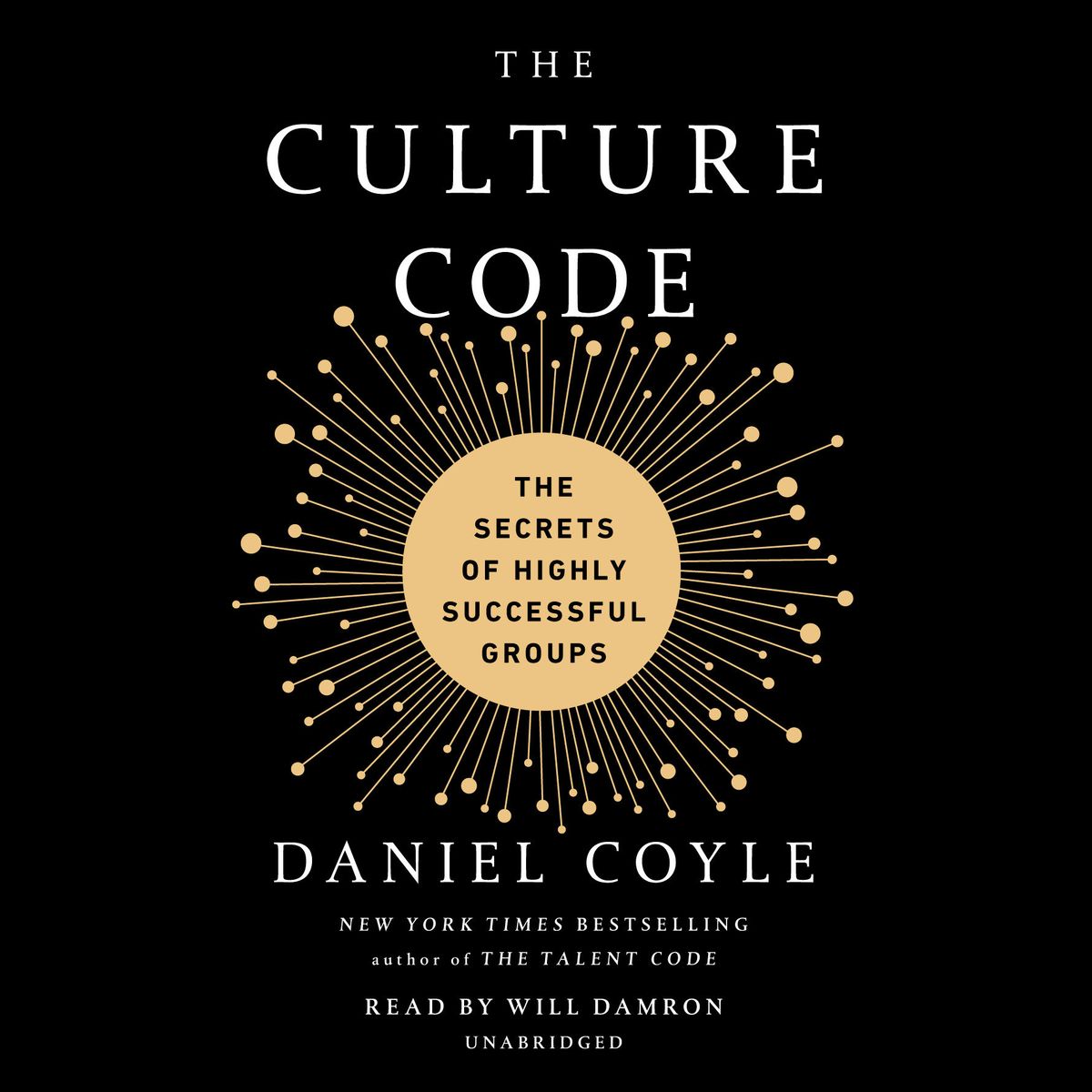
The Culture Code
Faculty Perspective
A deep dive into some of the world's most effective teams, revealing three core ingredients of high-performing culture: safety, vulnerability, and shared purpose. The ultimate goal of cross-cultural collaboration is building an effective shared culture. This book reframes every meeting design as an opportunity to shape that organizational culture.
Trompenaars & Hampden-Turner
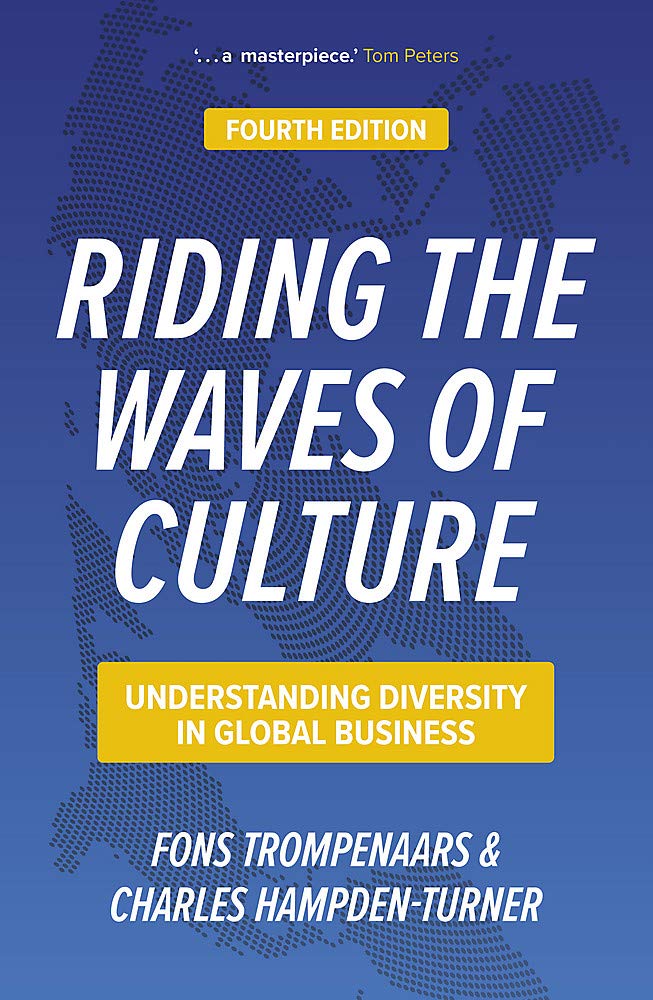
Riding the Waves of Culture
Faculty Perspective
A deep dive into cross-cultural management that outlines 7 key dimensions of culture — such as rules vs. relationships or individual vs. group. Explains why a workshop format that works flawlessly in New York might completely bomb in Tokyo. The ultimate guide to structuring cross-cultural sessions and adjusting your facilitation style.
Beyond Culture
Edward T. Hall

Beyond Culture
Faculty Perspective
A pioneering text on intercultural communication introducing the groundbreaking concepts of High-Context vs. Low-Context communication. Explains why some participants need explicit written agendas (Low-Context) while others rely entirely on unwritten social cues (High-Context). A crucial read for understanding the invisible cultural forces shaping team behavior.
The Geography of Thought
Richard E. Nisbett

The Geography of Thought
Faculty Perspective
A seminal study in cultural psychology showing that Westerners and East Asians literally see the world differently. It contrasts Western linear, individualistic logic with East Asian holistic, relationship-based thinking. A foundational guide for adjusting your facilitation prompts to match how different minds naturally process information.
Further Reading · Across Cultures
When Cultures Collide — Richard D. Lewis · A practical, country-by-country guide to communication, negotiation, and leadership styles across 60+ cultures — handy for predicting participant expectations in international meetings.
The Art of Gathering — Priya Parker · Explores gathering from the host's perspective — a useful companion lens once the cultural frameworks above are in place.
Moderation
M1–M2Leading Meetings on Stage · Presence, pace, and the art of being memorable.
Talk Like TED
Carmine Gallo

Talk Like TED
Faculty Perspective
Analyzes hundreds of TED talks to distill nine rules for being memorable, covering storytelling, emotional connection, and visual delivery on stage. A moderator needs to understand what makes a moment memorable in order to help the audience absorb a speaker's message. Gallo's framework is the most usable stage-language toolkit available.
Scott Berkun
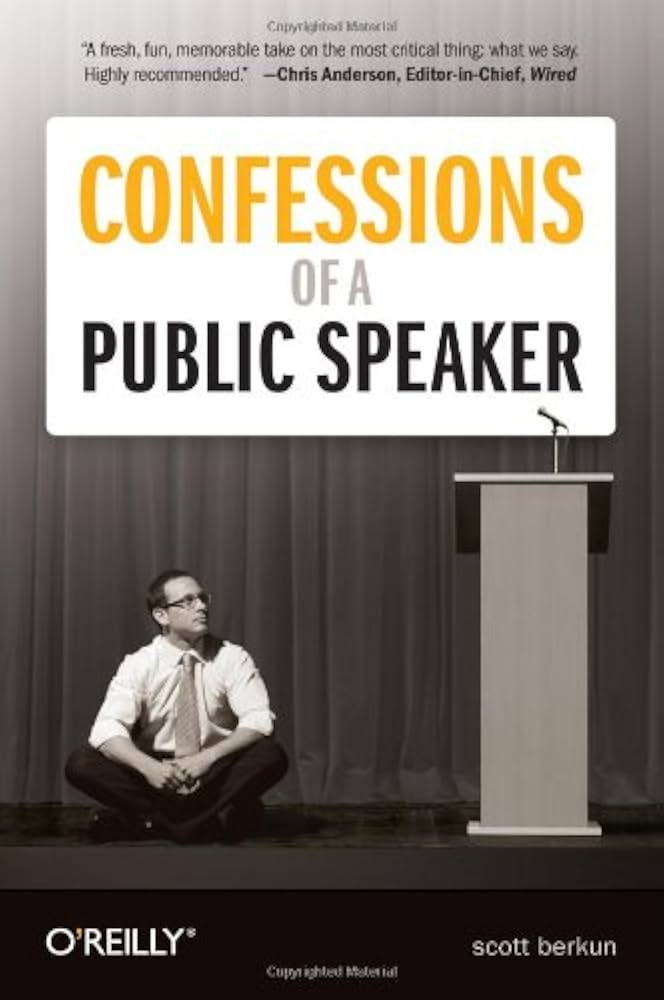
Confessions of a Public Speaker
Faculty Perspective
A veteran speaker's honest, often funny account of what really happens on stage, including how to handle surprises, difficult audiences, and technical failures. Nothing tests a moderator more than handling the unexpected. Berkun's real-world stories mentally prepare you before you ever step on stage.
The Charisma Myth
Olivia Fox Cabane

The Charisma Myth
Faculty Perspective
Backed by scientific research, this book shows charisma is a learnable skill built on three dimensions — presence, warmth, and power — with concrete exercises to develop each. A great moderator needs the whole room to feel their presence and energy. Cabane's techniques apply directly to managing your state and staying connected to the room in real time on stage.
Further Reading · Moderation
TED Talks: The Official TED Guide to Public Speaking — Chris Anderson · Covers structuring talks and creating connection on stage — useful for moderators briefing and coaching speakers before they go on.
Make Your Voice Heard — Caroline Goyder · A practical guide to vocal presence and breath control — directly applicable to a moderator's stage stamina and authority across a long event day.